
Editorial method
How we create our nutrition guidance
Where the advice on this site comes from, how each guide is checked before it goes live, and how the notes we write for you in a consultation stay tied to what we publish.
No hidden authors, no copied tips. If you want to check a claim or challenge a paragraph, the last section on this page explains how.
How to question a claim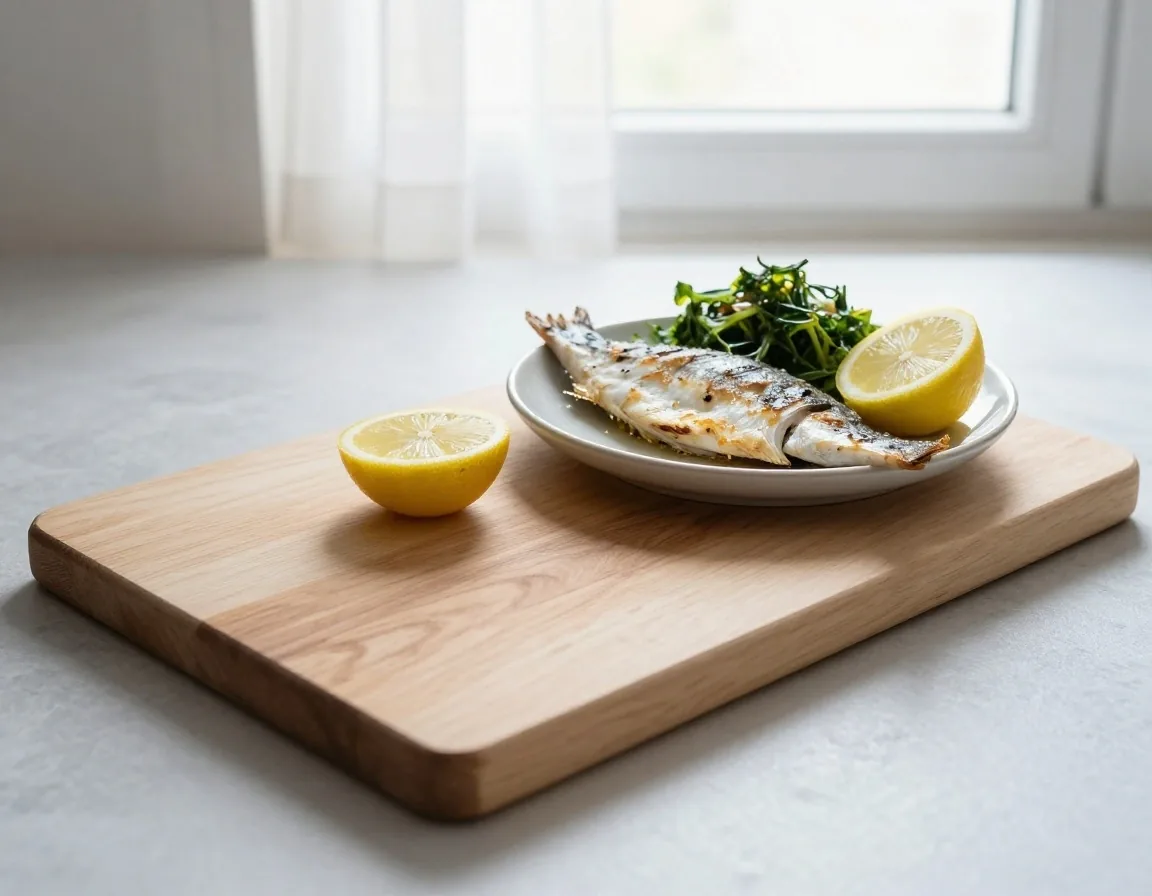
Every dish we write about is cooked and photographed once in a real kitchen, then redrawn as a plain section with the portions marked on it. The photograph shows you what the meal looks like; the drawing shows what the amounts actually are, so you can compare them against your own plate.
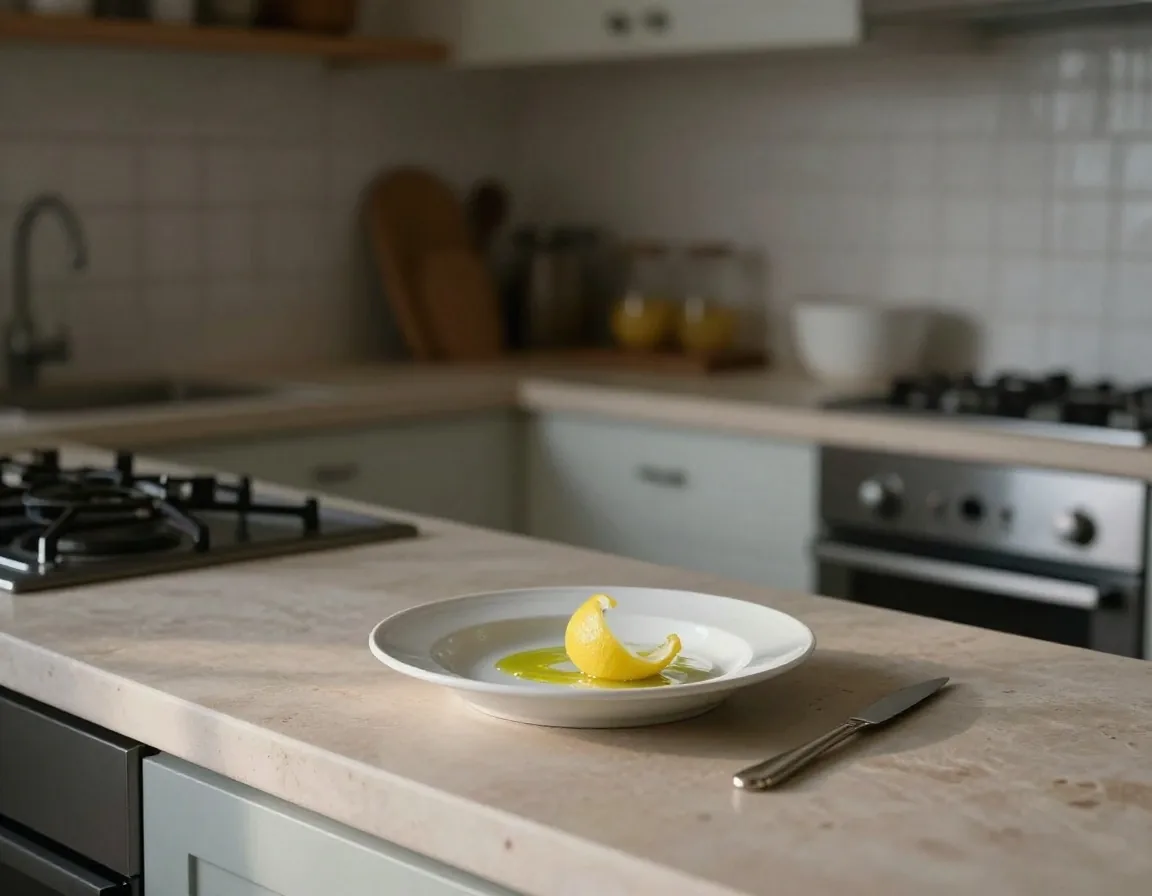
The drawn version of the plate above. Portions are marked, not guessed.
Every guide here is meant to be measured, and to be argued with.
What we write about, and why we write about it
Topics are not picked to fill a calendar. They come out of the questions people actually bring us, and out of what changes on the ground in France through the year.
-
Reader questions
Questions sent through our contact form and problems raised during consultations set the agenda. Two topics that come up constantly are reading a food label without being misled by the front of the pack, and what to do about meals that land late in the evening after a long shift.
-
Seasonal patterns in France
Eating shifts with the calendar here. Summer travel and long hours on the islands mean more meals eaten out and less control over what goes on the plate. Through the winter, home cooking comes back and portions get heavier. We time guides so they arrive when the pattern is actually happening, not three months after it has passed.
-
A clear job for the reader
Each topic is written against one task a reader can actually finish: compare two labels on the same shelf, swap one ingredient without losing the meal, plan a lunch that still works at four in the afternoon. If we cannot say what the reader should be able to do afterwards, the topic is not ready.
-
Where a topic stops
Some subjects cross into medical territory. When that happens we say so in the text itself and mark the limit plainly, rather than writing around the edge of it or implying an answer we are not qualified to give.
What sits behind a sentence, and what does not
Evidence-based nutrition writing is not a list of links at the bottom of an article. It is a habit of knowing which kind of source is holding up the sentence in front of you, and being willing to say where the source runs out.
We use
- Standard nutrition textbooks used in professional training
- National dietary guidelines taught to practitioners
- Peer-reviewed reviews, where we can access them in full
- French product labels and locally sold portions, checked in shops
We do not build advice on
- A single study that went viral this month
- Someone's personal story, however convincing
- Brand material written to sell a product we would then link to
- Numbers we cannot trace back to where they started
Sources disagree with each other, and pretending otherwise would be dishonest. When two respectable references pull in different directions, the guide says that in plain words and tells you what it means for your plate, rather than quietly choosing the version that reads more cleanly.
Nothing goes live before it passes four checks
- Accuracy. Figures such as portion ranges are re-checked against the source they came from, not against an earlier draft of our own page.
- Clarity. Every paragraph has to survive a first read by someone who is not a nutritionist and is not in a hurry.
- Fit with French daily life. Examples are checked against what is genuinely sold in supermarkets, markets and bakeries here, in the quantities people actually buy.
- No absolute promises. Any sentence that guarantees a result is cut, however well it would perform.
Longer guides carry the author's initials and a last-updated date. Corrections are noted briefly at the foot of the page rather than quietly deleted, and older pages are revisited when a guideline changes or when a reader tells us a paragraph is confusing.
What you hear should be what you reread
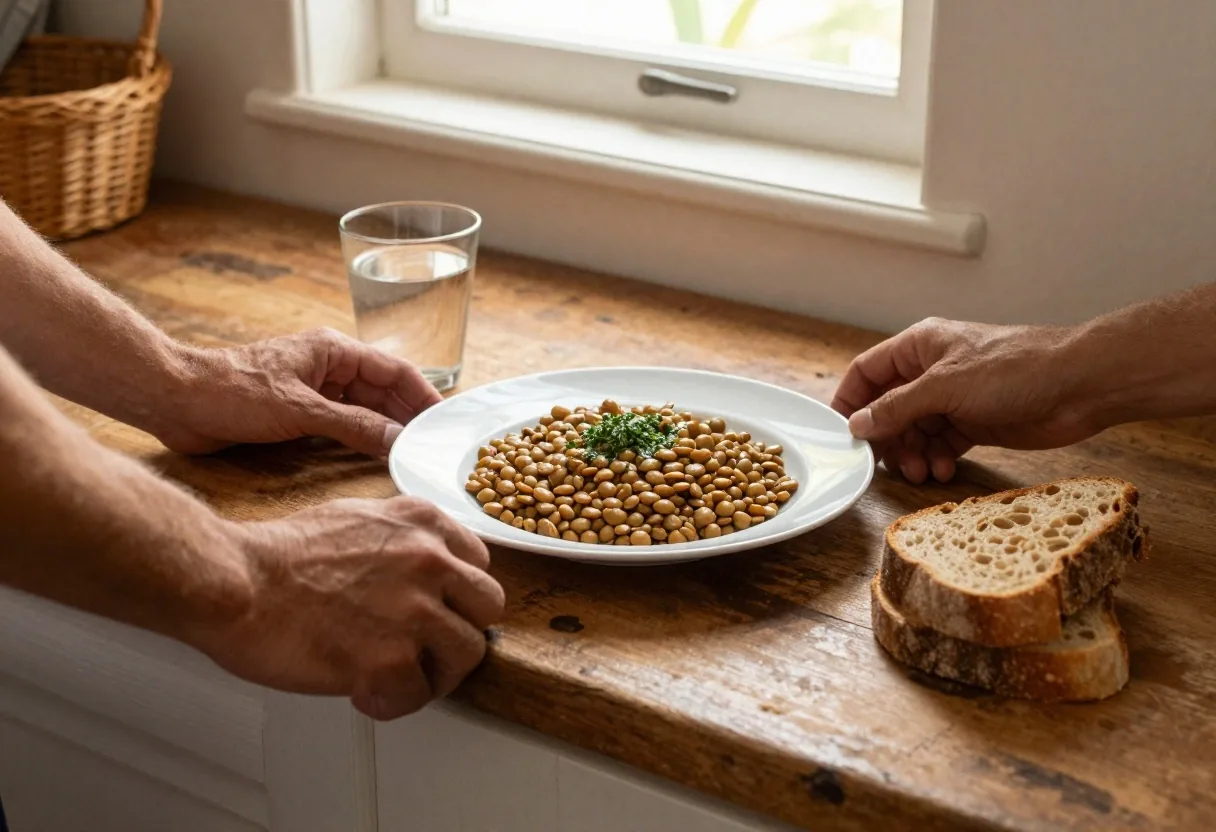
A consultation runs on the same principles as the pages you can read here, adapted to your schedule, your kitchen and your tastes. Your nutritionist works from the same habit sheets and plate models that are published on this site, so the conversation you have on video is the one you can go back over afterwards.
If your situation calls for a different path from what a general guide recommends, your written notes say so and explain the reasoning. Consistency is not rigidity; it just means you should never have to guess why the advice changed.
Before the call
You tell us your week: working hours, who cooks, what is already in the fridge.
During the call
Your nutritionist works from the same habit sheets and plate models published here.
After the call
You keep written notes, so the reasoning stays available when you reread a guide.
The claims we turn down, even when they would earn clicks
- Detox cures and cleanses meant to flush something out of your body.
- Fat-burn promises, and any food described as a shortcut around eating less of something else.
- Supplement rankings and brand recommendations written for commission.
- Before-and-after stories used to pressure readers into a purchase.
If a claim sounds too good to be true, it does not pass review here. That costs us some traffic, and we would rather lose the traffic than the reader's trust.
Who pays for this advice, in plain words
Fatigue Free Living is an educational nutrition site with paid online consultations. It is not a comparison portal and not an affiliate shop. We do not earn money from product links, so there are no product links to earn from.
Income comes from consultation fees, paid by bank transfer. That arrangement keeps food examples neutral: a supermarket own-brand tin, a market stall and a neighbourhood bakery are judged on what is in them, not on whether anyone pays us to name them. If this model ever changes, the change gets disclosed next to the offer it affects, not tucked into the footer where nobody reads it. Readers are entitled to know who is paying for the advice they are following.
Our role on this site
We publish general nutrition education and offer one-to-one online consultations with a nutritionist. We do not sell supplements, we do not act as a pharmacy, and we do not replace your doctor. Where a question needs medical assessment, we say so and point you back to the right professional.
If a paragraph does not match your experience, tell us
Readers in France see things we do not. If a guide conflicts with what you find in the shops, or with how a meal actually works in your household, send a message through the contact page and include the title of the page you are reading. We read those notes during reviews and change the wording where it is warranted.
You can also ask what kind of source stands behind a particular statement, and we will tell you the general type: textbook, national guideline, review, or a label we read in a shop ourselves. What we cannot do is give personal medical interpretation by email, because we would be answering without the context a consultation gives us. What we can do is clarify what the article meant.
Keeping records and updates
We keep short internal notes on article versions and on consultation summaries, so that a steady answer is possible if you come back after a break. Access stays inside the practice.
-
What we store
Article version notes and brief consultation summaries, enough for continuity.
-
Who can see it
The practice only. We do not sell contact details or share them for marketing.
-
When pages change
Guides are revisited when a guideline shifts or when readers flag a confusing paragraph.
For the full detail on stored data and cookies, see the privacy and cookie pages linked in the footer. Simple handling, stated openly.
Four habits you can use to judge any nutrition article, ours included
-
Look for the date
Nutrition guidance ages. A page with no update note anywhere is a page nobody is maintaining.
-
Check the portion, not just the food
Almost any ingredient can sit inside a good week and outside it. The amount and the frequency are the part that matters.
-
Find the local example
Advice written for another country's shelves is hard to act on here. If the example names a product you cannot buy in Bordeaux, treat the rest with some caution.
-
Be suspicious of certainty
Real nutrition writing admits where the evidence thins out. Writing that never hesitates is usually selling something.
Read the guides, or bring your own week to a consultation
The articles are free to read and follow the process described above. If you would rather work through your own routine with a nutritionist, online consultations are available across France. Consultations are paid sessions; there is no subscription and no product to buy.