
A practical nutrition practice for everyday life
Fatigue Free Living is a small online nutritionology practice for readers in France. Short articles you can read at your own pace, and one to one video calls when you want a second opinion on your own kitchen.
Read about the consultation process
Learn at your own pace. Ask when you need a straight answer.
Why this practice started
Nutrition advice is easy to find and hard to use. That gap is what we work on.
Many people in France read plenty about nutrition and still feel unsure at the shop or in the kitchen. Social media advice rarely accounts for shift work, shared family meals, or a long bistro Sunday lunch. It also rarely mentions what a portion looks like on the plate in front of you.
So we built a resource that explains balanced eating with local examples, and a place to ask questions when the examples do not match your week. Education comes first. Consultations are optional support for anyone who wants feedback on their own habits rather than another general article.
Who runs the sessions
Sessions are led by a nutritionist who works online with adults living in France and communicates in English. The focus is food habits, meal timing, shopping, and cooking routines. You will be asked about your day, not lectured about willpower.
Nutrition guidance has limits, and we name them early. If your situation needs a doctor, a clinical dietitian, or a psychologist, we will say so plainly and help you find the right next step before continuing with food work.
What we are not
- No diagnosis, no prescriptions, no replacement for medical care.
- No primary work with severe eating disorders or with children as clients.
- No locked meal plans you are expected to follow line by line.
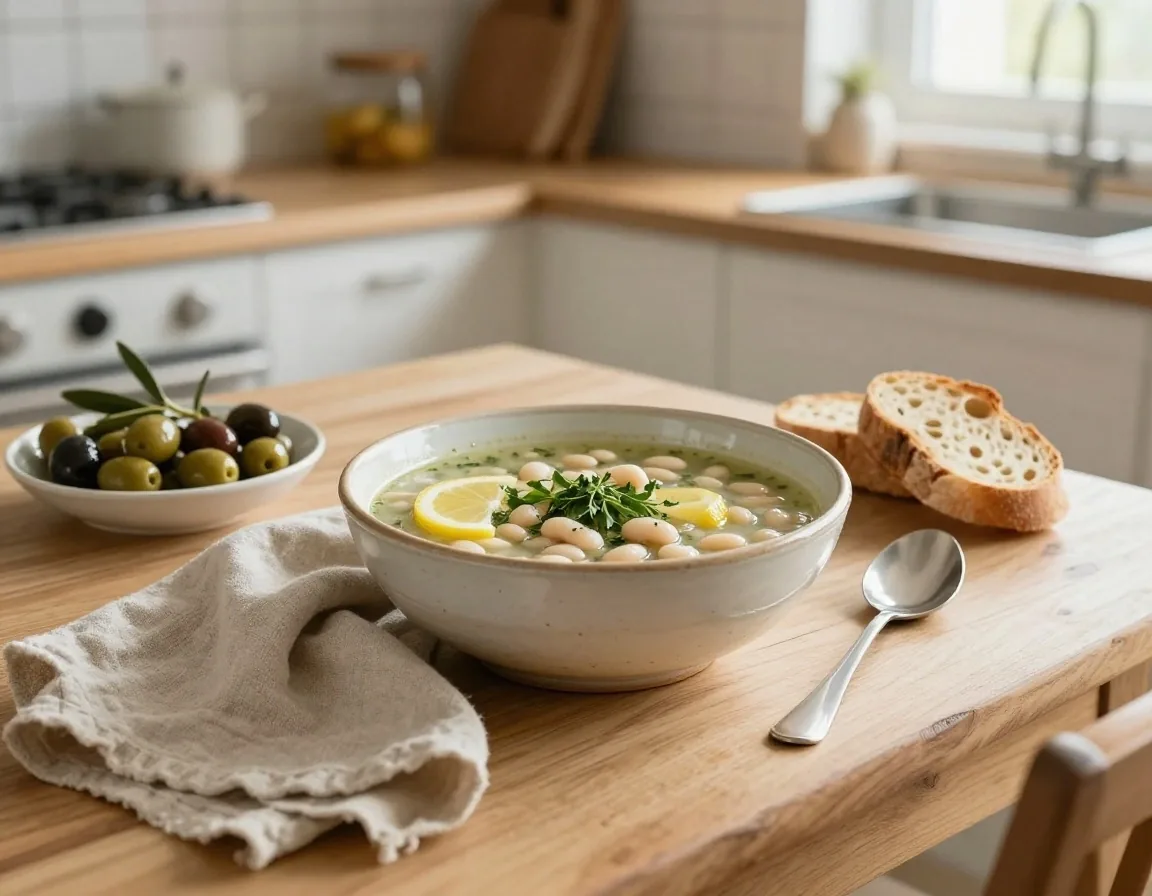
A fasolada we use as an example in articles and in sessions: cheap, filling, and already part of most French kitchens.
How we view food and health
Food is daily maintenance. Not a test of discipline, and not a single superfood. Regular meals, enough plants and protein, water, sleep, and movement shape how you feel far more than any one ingredient on a label.
That view fits French eating well, from bean soups to salads with olive oil and bread. We help you keep the parts you enjoy and adjust portions, frequency, and snacks so energy stays steadier through the day.
What we usually look at first
- When you eat, not only what you eat, on working days and days off.
- How much of the day is covered by plants, and whether protein arrives at each main meal.
- Water, sleep, and daily movement, since these change appetite more than most people expect.
Our way of working with you
First we listen to your schedule, what you cook with, and what you actually like eating. Then we pick a small number of changes that fit the next two to three weeks. You try them, note what happens, and we refine them at the follow up.
Written notes arrive after each call, so you are not relying on memory. Nothing is framed as a permanent rule. If a change does not survive a real Tuesday, we drop it and try something else rather than asking you to push harder.
What shapes our articles
Articles start from the questions people actually bring to a consultation. They are corrected as our reading changes.
Real questions, not theory
How to handle a dinner at ten at night, a bakery breakfast on the way to work, or a week when the fridge stays empty. Practical problems get practical answers, with the reasoning shown so you can adjust it yourself.
Sources we actually read
We check the nutrition references used in professional training, then translate them into plain steps for a normal kitchen. No numbers without a source, and no claim that a single food fixes everything.
Updated when guidance changes
When a position shifts, we rewrite the text and note the revision rather than leaving two versions sitting side by side. If the evidence is mixed, we say that instead of picking the loudest claim.
Plain language over certainty
Transparency matters more than sounding confident. Where we are unsure, we tell you that we are unsure and what would help us give a better answer.
Written notes after each session
A short summary of what we agreed, what to try next, and what to watch for. Yours to keep and to challenge at the next call.
No food you have to give up
Bread, cheese, and olive oil usually stay. We change how often and how much, and build the rest of the day around them.
Living and eating in France
France is not one food culture. Life in Bordeaux, a summer on the islands, and a quiet winter month behave differently, and markets, shop hours, and eating times shift with them. We keep that in mind when we suggest a shopping list or a meal time.
For readers who are not fluent in French, we also explain labels in the supermarket, common bread and cheese types, and bistro and restaurant portions. Local detail is what makes advice usable on a Tuesday, not only appealing in an article.
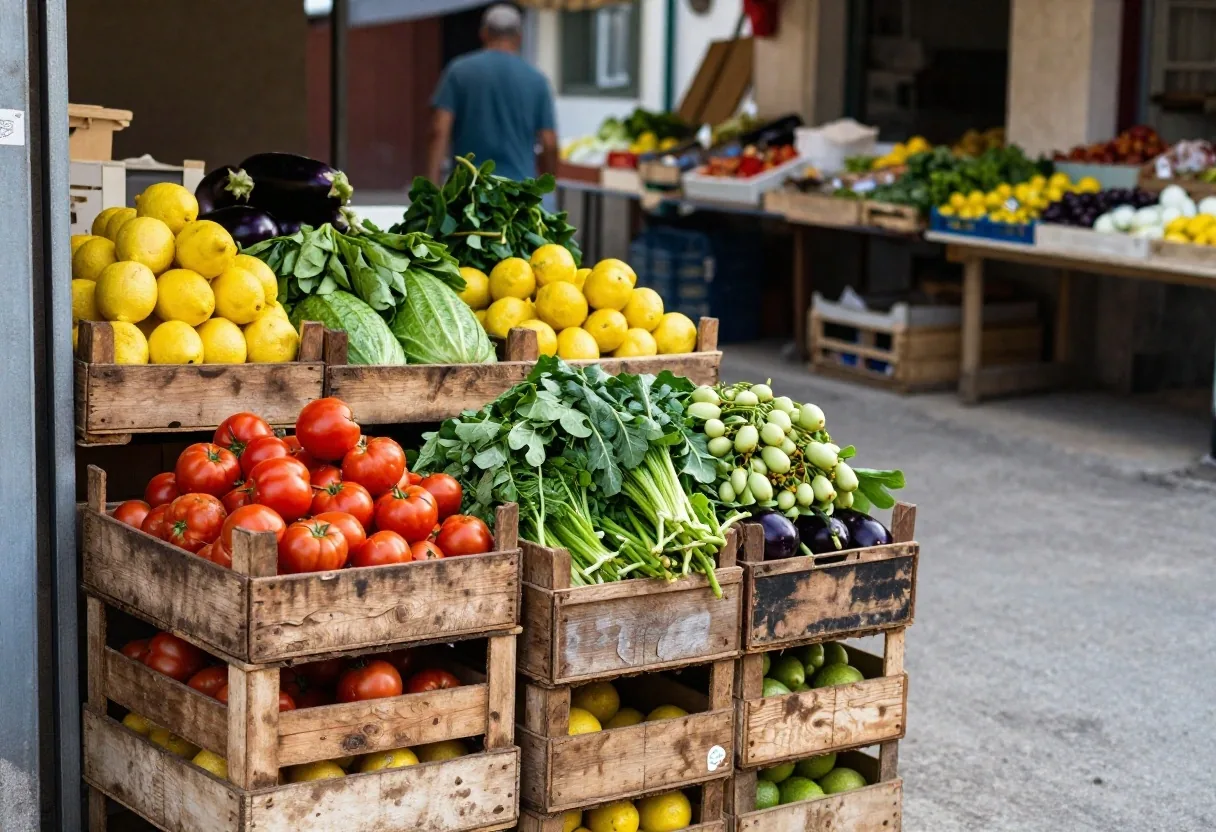 Seasonal shopping
What changes by season and by place
- Breakfast on very warm days lighter, earlier
- Evening meals in summer later than in winter
- Shared family tables plan around, not against
- Bistro and family weekends kept, with portion notes
Seasonal and regional patterns we ask about before suggesting a routine.
How to work with us
You can read the site freely and get in touch when you want support. The usual path is a first 50 minute video session, followed by optional follow ups whenever something in your routine changes. Appointments run on France local time (CET).
Payment is by bank transfer with an invoice, sent after the session is agreed. Use the contact page to request times, or to ask whether this service fits your situation at all. We answer in plain terms and without pressure to book.
Practical details
- First session
- 50 minutes, online
- Follow ups
- optional, when needed
- Time zone
- France local time (CET)
- Payment
- bank transfer, invoice
- Sessions run in
- English
Fatigue Free Living, 22 Cours de l'Intendance, 33000 Bordeaux. Weekdays 9:00–18:00, Saturday 10:00–14:00.
Before you get in touch
Four questions we see most often on the contact page, answered the same way we would answer them by email.
Do I need a referral or a diagnosis to book a session?
No. Most people arrive with a normal question about habits, meals, or shopping, and no medical paperwork. If during the conversation it becomes clear that your case needs a doctor or a clinical dietitian, we will say so and pause food work until that step is done.
Can I work with you if I live outside France?
Sessions are built for adults living in France, since the examples, seasons, and shopping advice assume local markets and eating times. If you are elsewhere but the French food context still matches your life, write to us and we will tell you honestly whether the fit is good.
Will you hand me a meal plan to follow?
No locked plan. We agree a small number of changes, you live with them for two to three weeks, and then we look at what actually happened. Some people also like a loose weekly structure with meal ideas, and we can prepare that on request.
Do you write about nutrition anywhere else?
Everything we publish lives on this site: articles here, plus the guidance notes we write after consultations. Our article process and how we choose sources are explained on the page about how our guidance is created.
Still unsure? Write to us at [email protected] or browse the FAQ for the rest.
Start where you are, with the food you already eat
Read the material at your own pace, or ask for a session when you want a second pair of eyes on your own kitchen. Either way, you will get a straight answer about what this practice can and cannot do for you.